Ergonomic Armrest System for Task Chairs
Ergonomic Armrest System for Task Chairs
A versatile armrest system designed for Nurus task chairs, offering adjustable height, angle, and distance for personalized comfort. Easy to use and compatible with various chair models, it enhances ergonomics.
Project Overview
The ergonomic armrest system was designed for Nurus task chairs, aiming to improve user comfort through adjustable height, angle, and lateral movement. The goal was to develop a versatile, easy-to-use armrest that seamlessly integrates with multiple chair models while maintaining durability and cost-effective manufacturing.

Design Process
Design Process
1. Research & Ergonomic Analysis
1. Research & Ergonomic Analysis
The project began with analyzing existing armrests in the market and studying ergonomic requirements for prolonged seating. Key factors considered included:
User adaptability: Accommodating different arm lengths, postures, and work environments.
Adjustability: Vertical height adjustment, rotation, and horizontal movement for natural arm positioning.
Material and durability: Selection of high-strength yet lightweight materials.
Ease of assembly: A simple yet effective locking mechanism to fit multiple chair models.
Ergonomic testing involved user trials with different anthropometric data, ensuring the design supports natural wrist and elbow positioning while reducing strain.
The project began with analyzing existing armrests in the market and studying ergonomic requirements for prolonged seating. Key factors considered included:
User adaptability: Accommodating different arm lengths, postures, and work environments.
Adjustability: Vertical height adjustment, rotation, and horizontal movement for natural arm positioning.
Material and durability: Selection of high-strength yet lightweight materials.
Ease of assembly: A simple yet effective locking mechanism to fit multiple chair models.
Ergonomic testing involved user trials with different anthropometric data, ensuring the design supports natural wrist and elbow positioning while reducing strain.
2. Concept Development & 3D Modeling
2. Concept Development & 3D Modeling
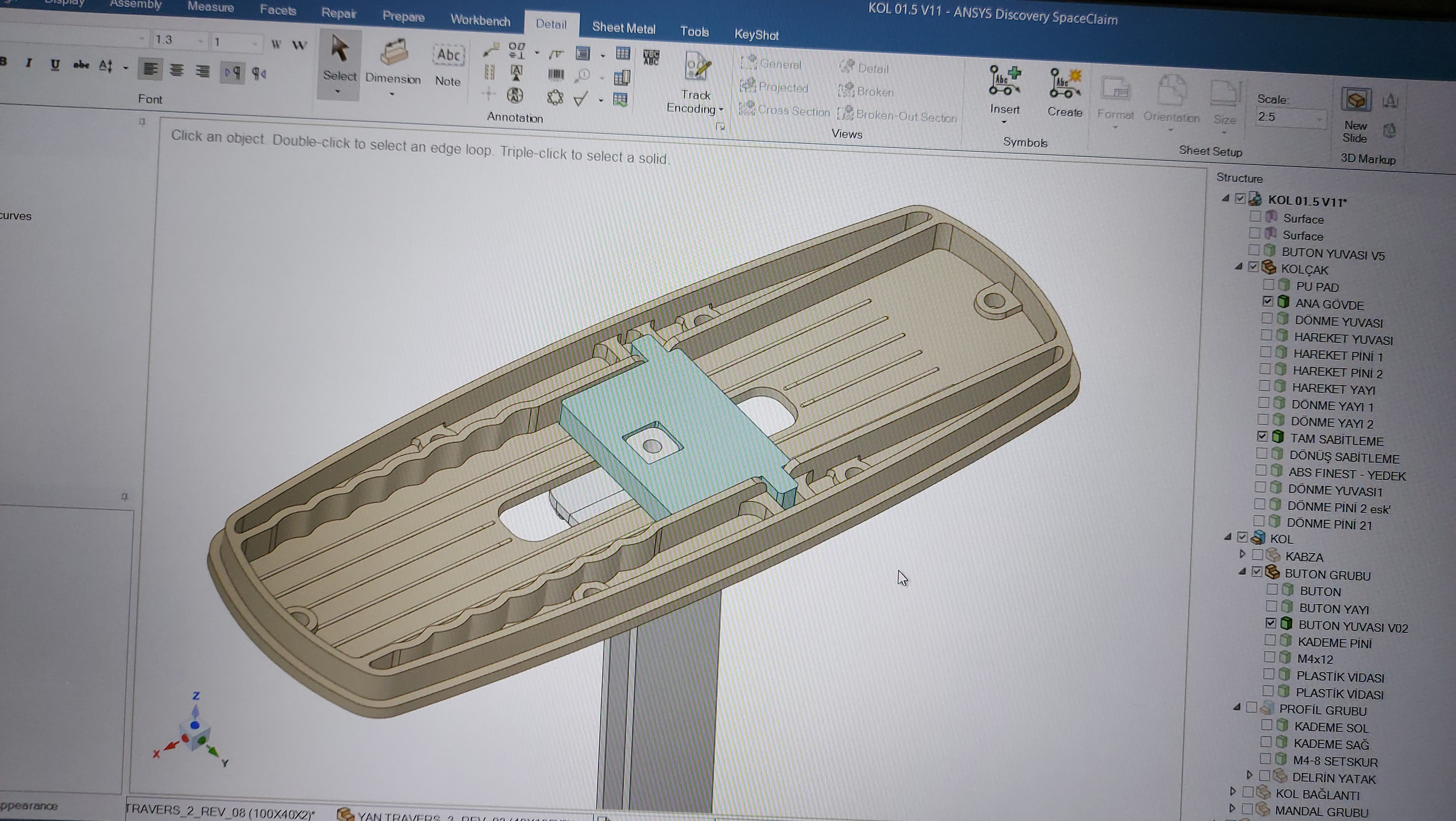
Using SolidWorks and Rhino, multiple armrest concepts were sketched and translated into 3D models.
Key design decisions included:
A two-part sliding mechanism for height and depth adjustment.
A swiveling pad to allow natural wrist movement.
A hidden locking system for intuitive usability.
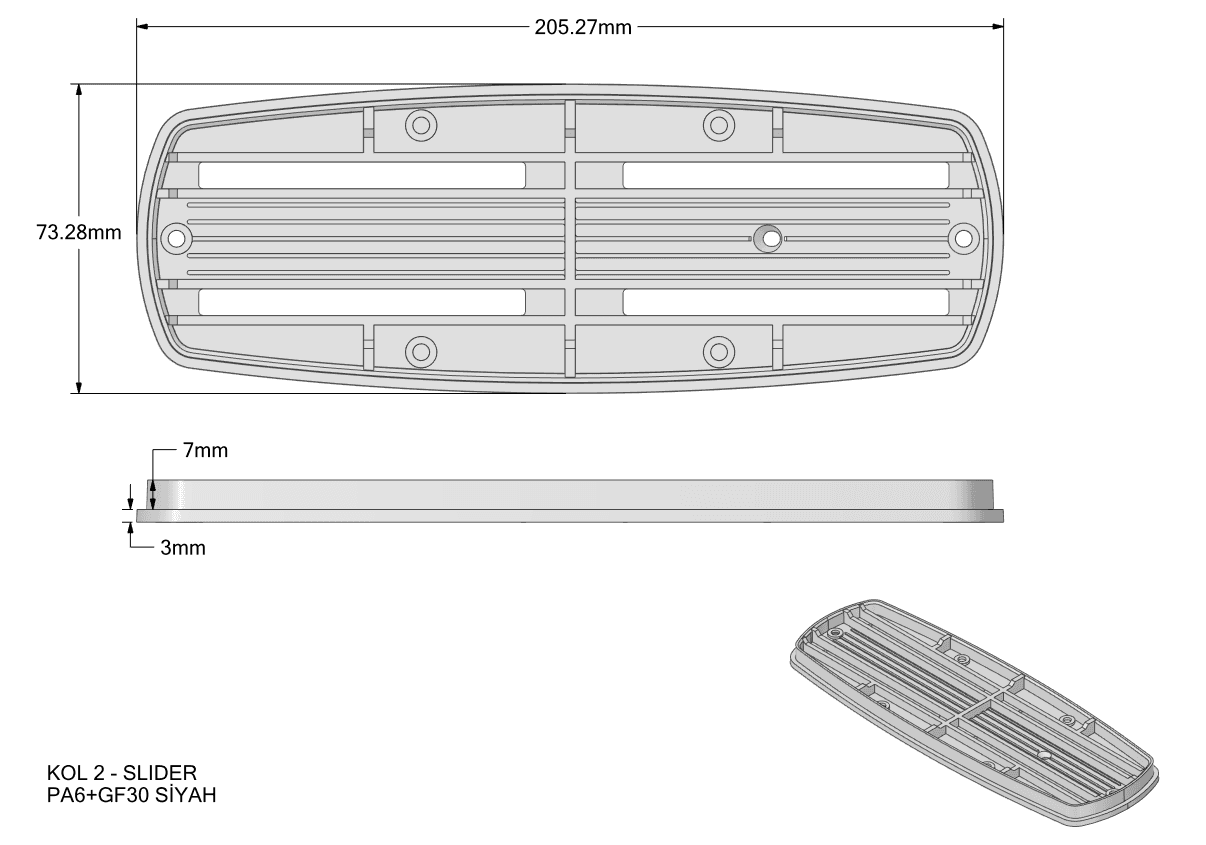
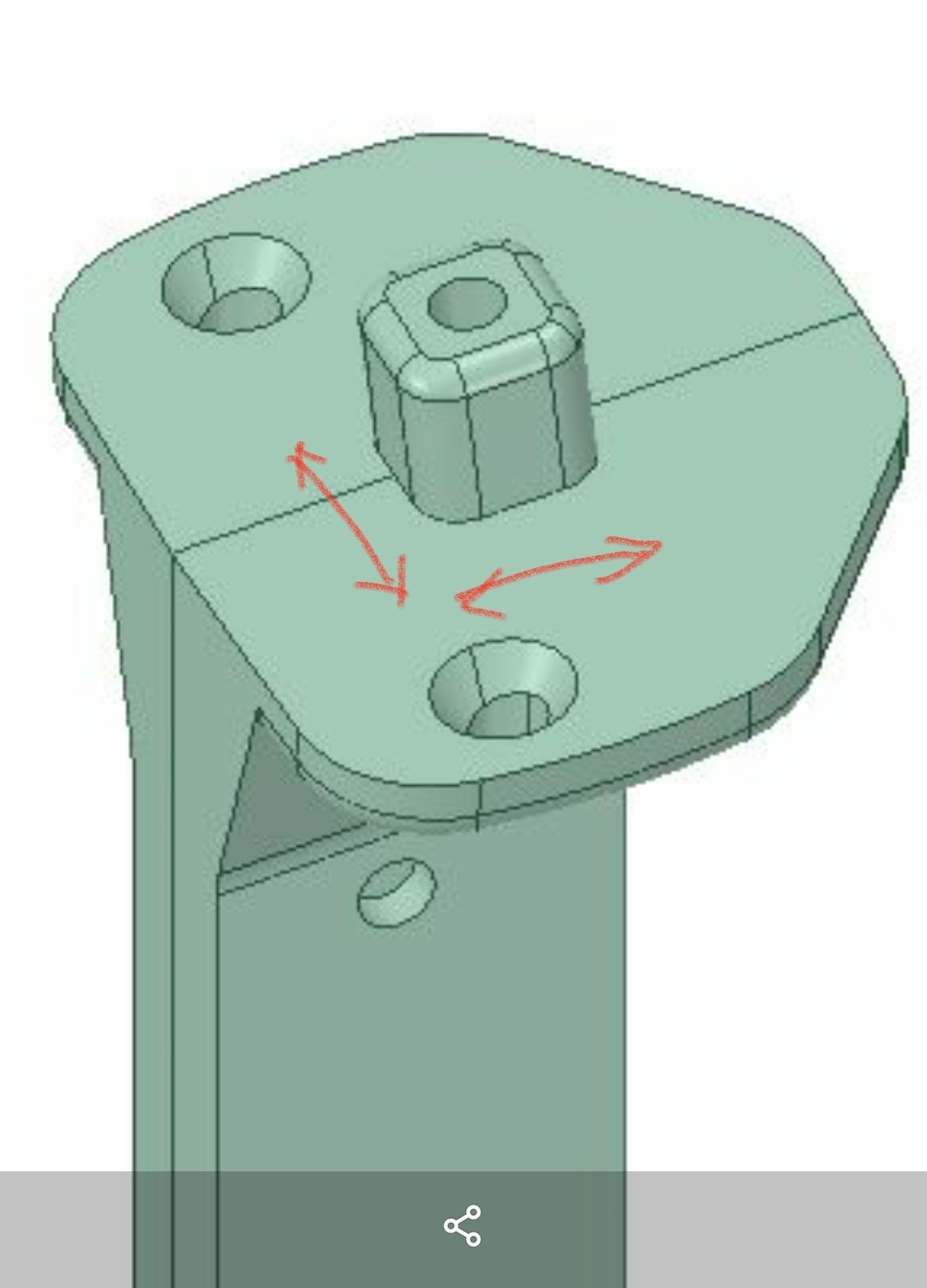
The initial concept sketches evolved into detailed CAD models, refining form, structure, and mechanical components such as hinges and locking points.
Using SolidWorks and Rhino, multiple armrest concepts were sketched and translated into 3D models.
Key design decisions included:
A two-part sliding mechanism for height and depth adjustment.
A swiveling pad to allow natural wrist movement.
A hidden locking system for intuitive usability.
The initial concept sketches evolved into detailed CAD models, refining form, structure, and mechanical components such as hinges and locking points.
3. Prototyping & 3D Printing
3. Prototyping & 3D Printing
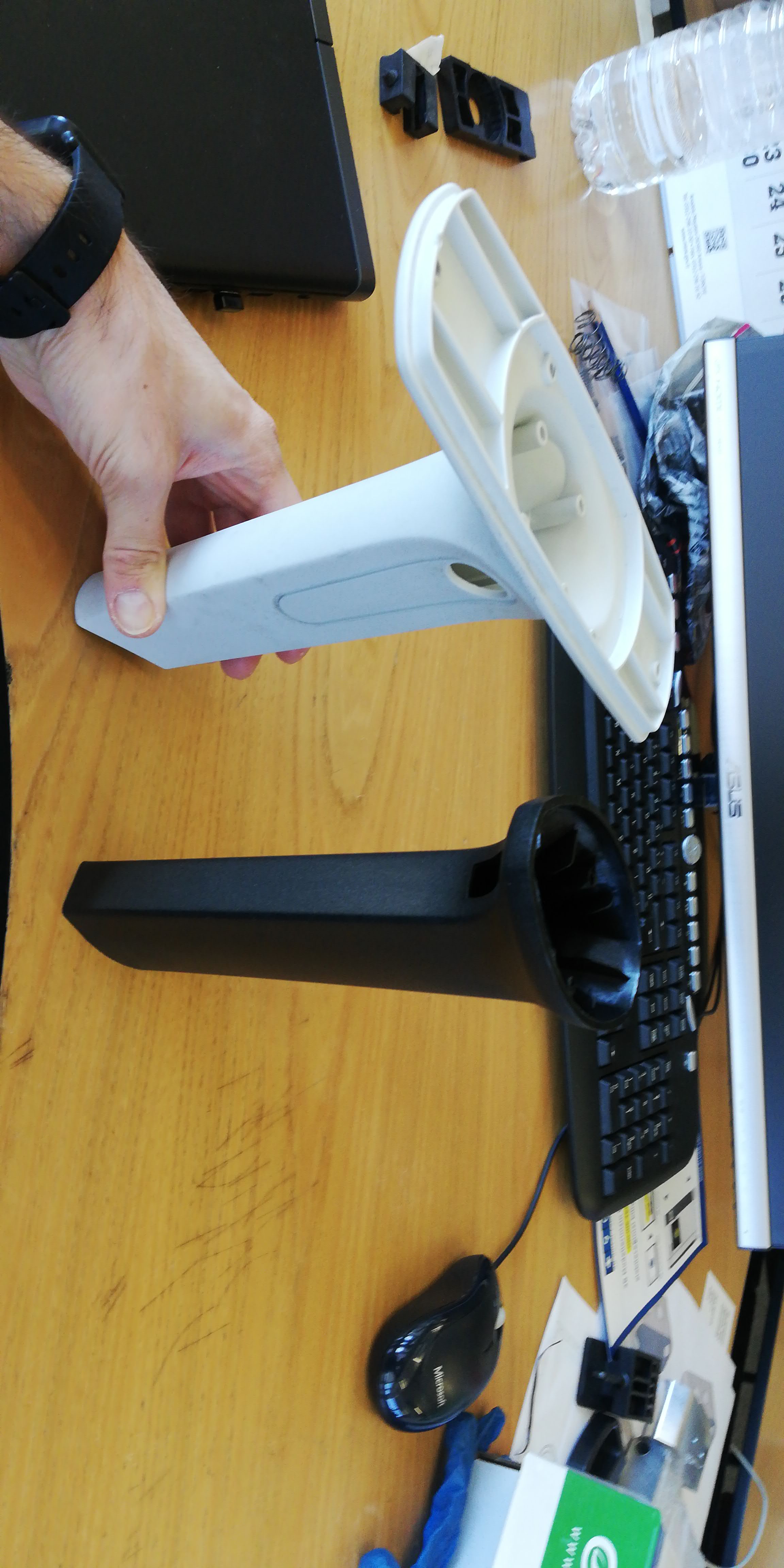
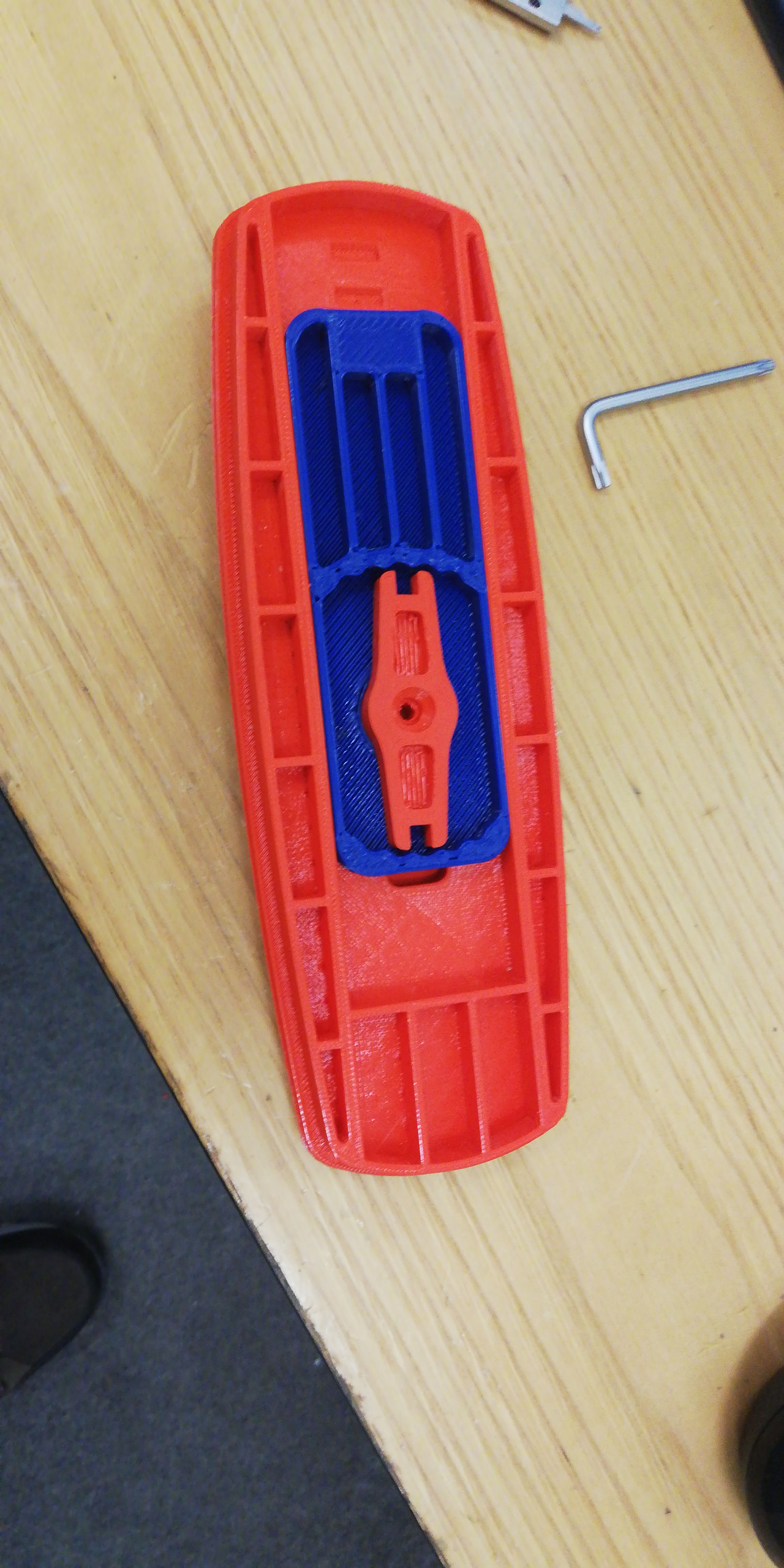
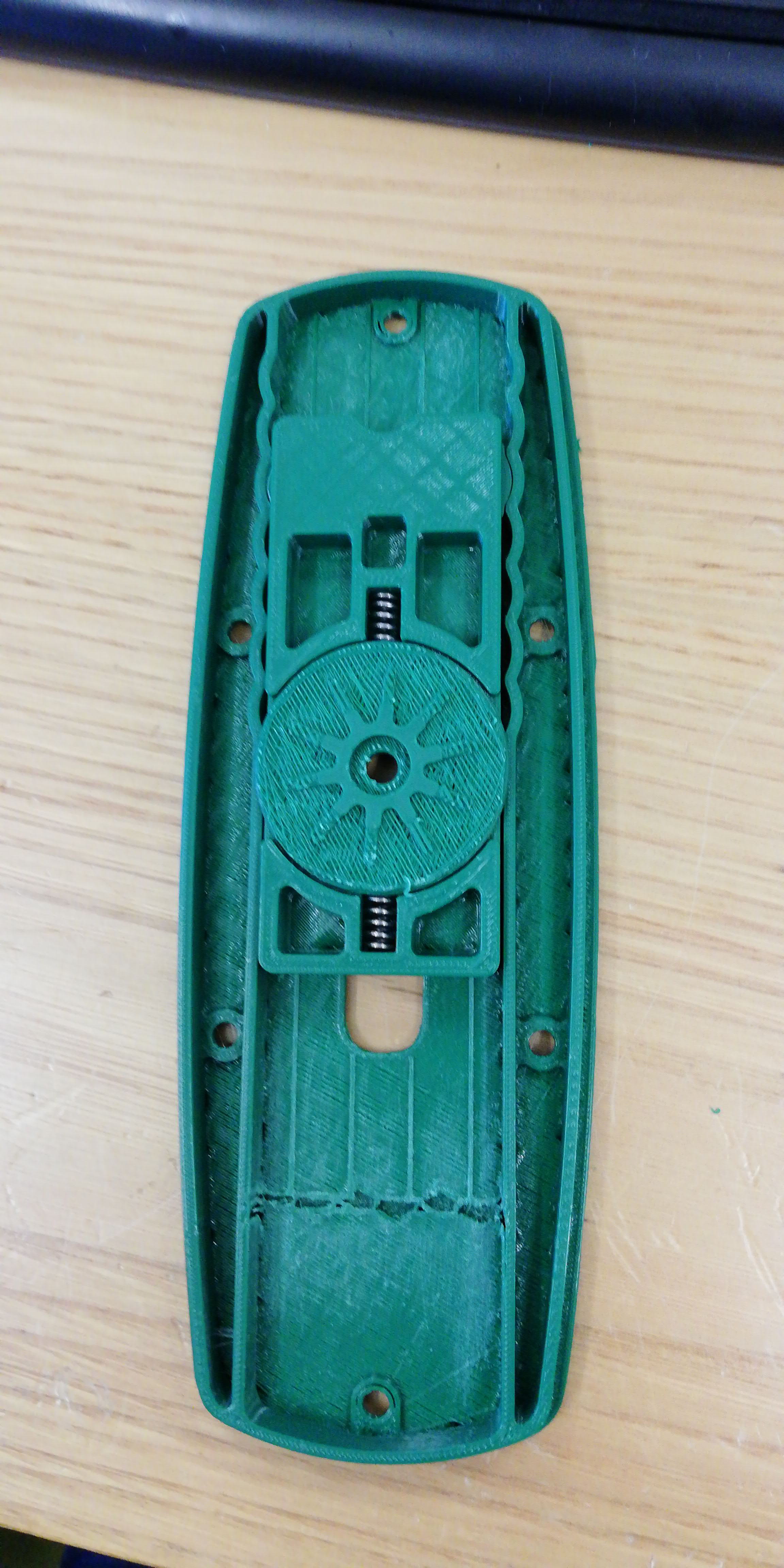
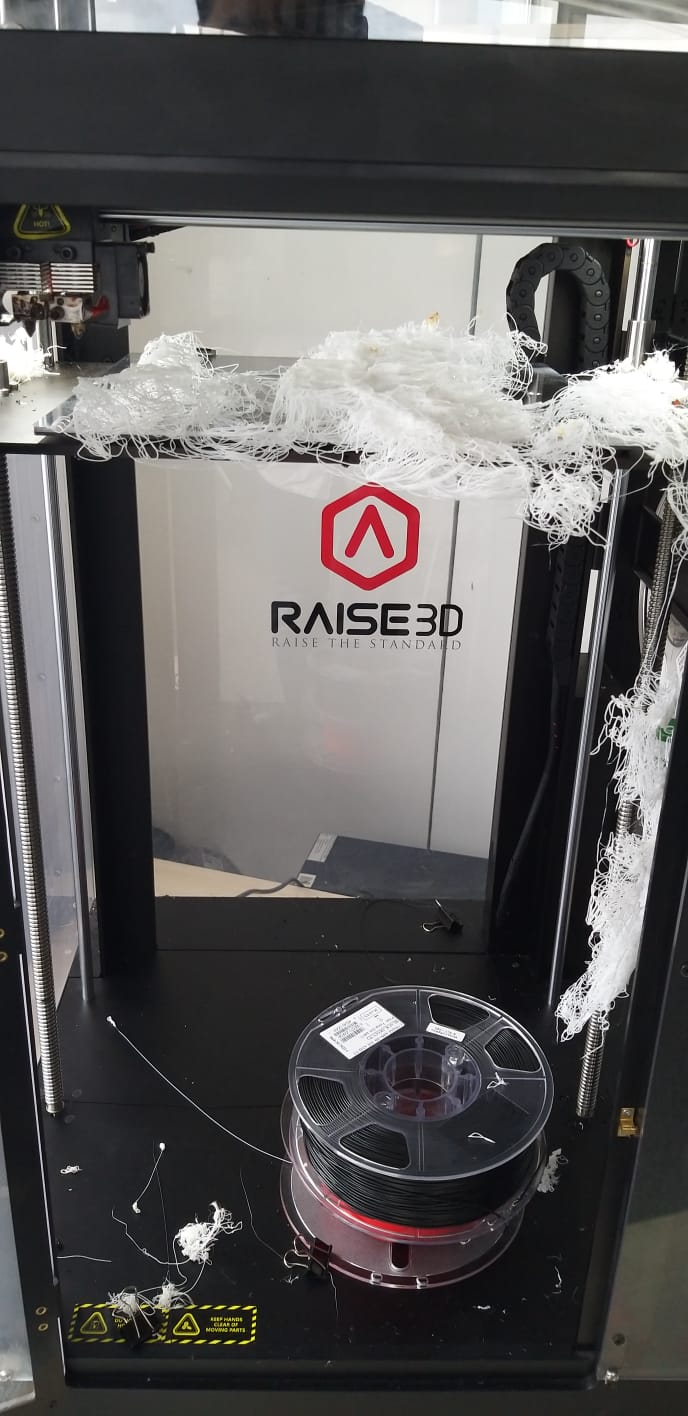
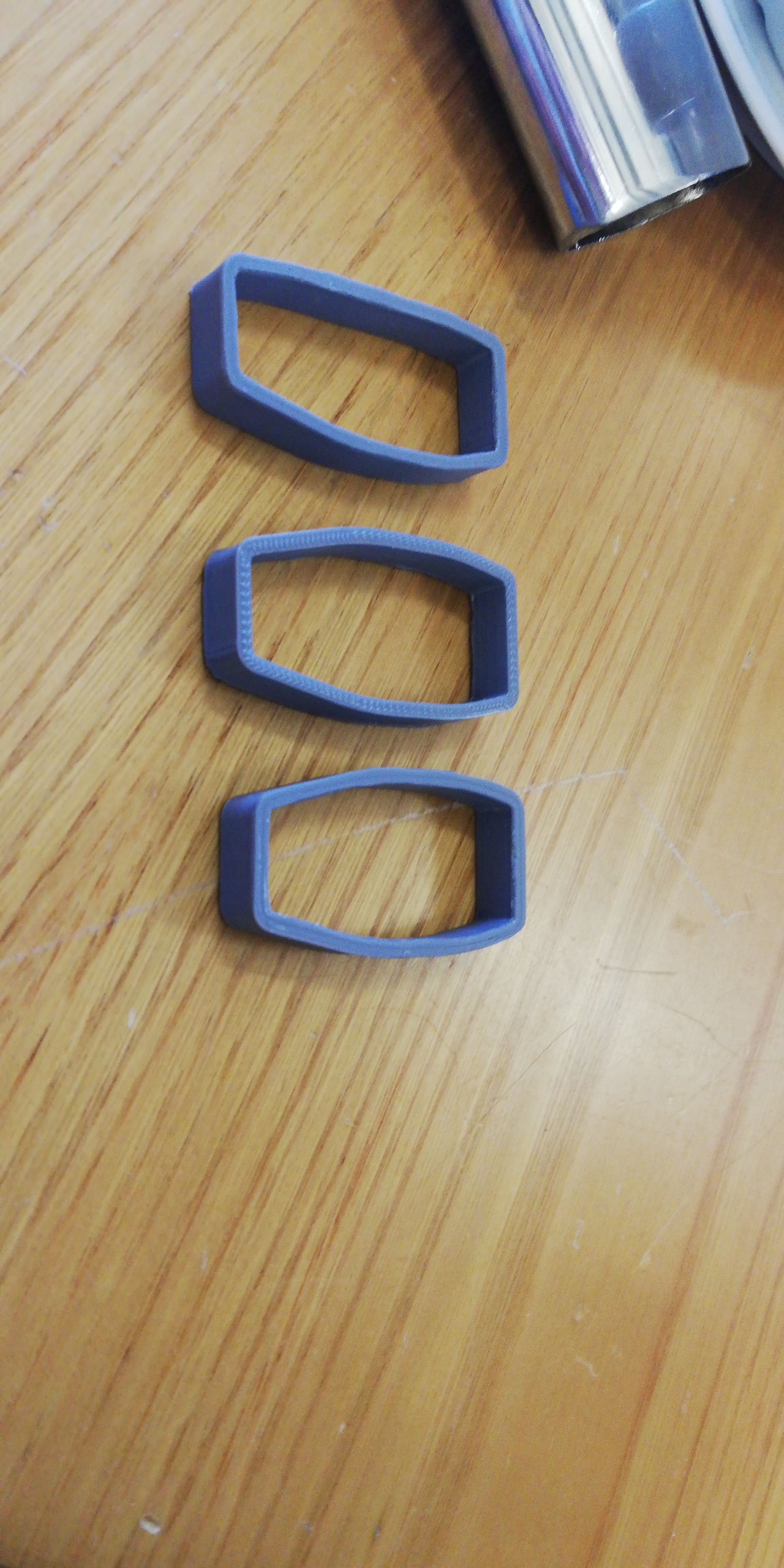
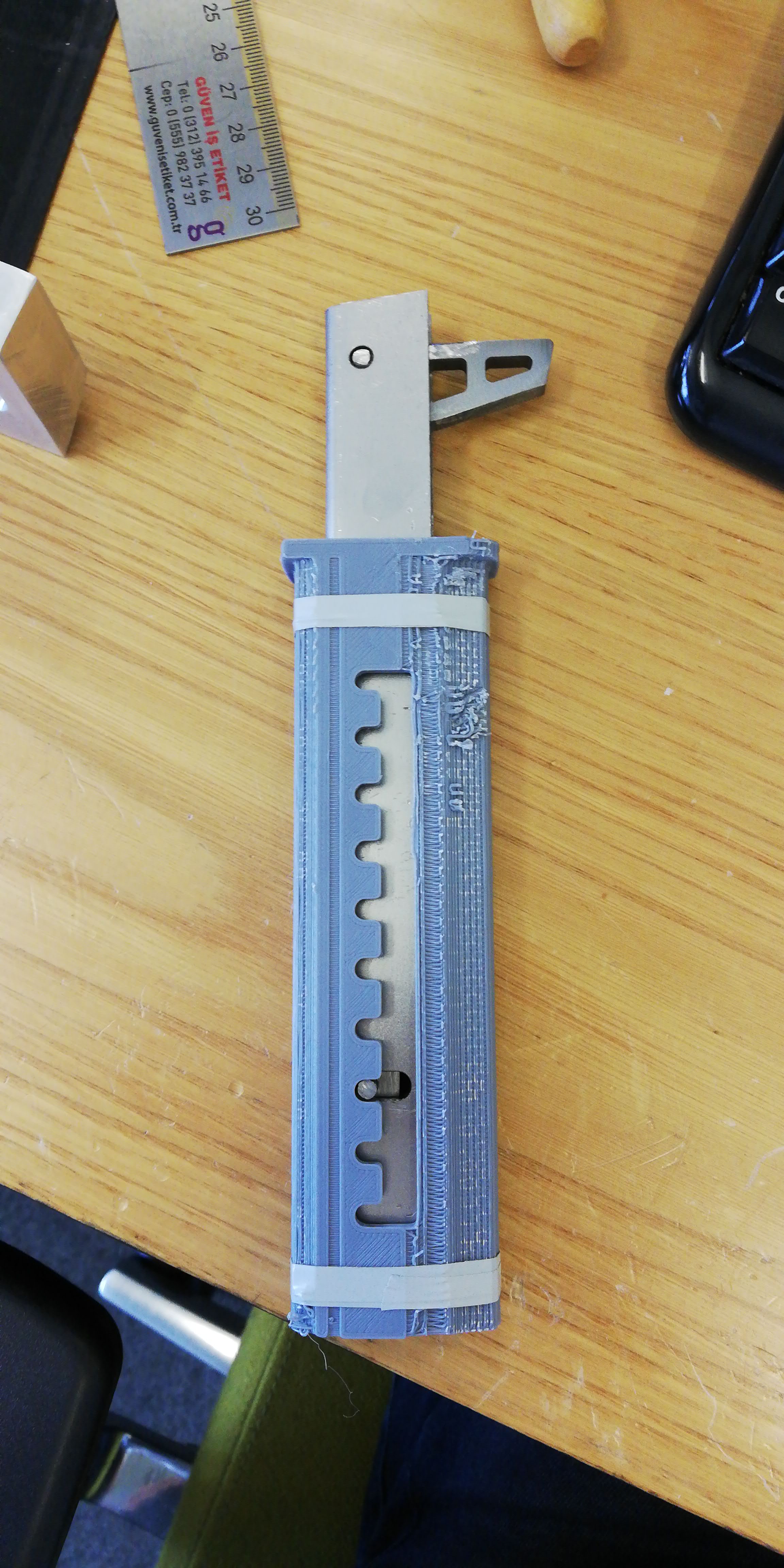
To test the design feasibility, functional prototypes were created using 3D printing (FDM & SLA).
FDM prototypes (PLA/ABS) were used for quick iteration and fit testing.
SLA prototypes provided high-detail models to validate ergonomic comfort.
The load-bearing capacity was tested using reinforced nylon composites.
Feedback from user testing and internal reviews helped refine the adjustment mechanism, ensuring smooth movement and durability.
To test the design feasibility, functional prototypes were created using 3D printing (FDM & SLA).
FDM prototypes (PLA/ABS) were used for quick iteration and fit testing.
SLA prototypes provided high-detail models to validate ergonomic comfort.
The load-bearing capacity was tested using reinforced nylon composites.
Feedback from user testing and internal reviews helped refine the adjustment mechanism, ensuring smooth movement and durability.
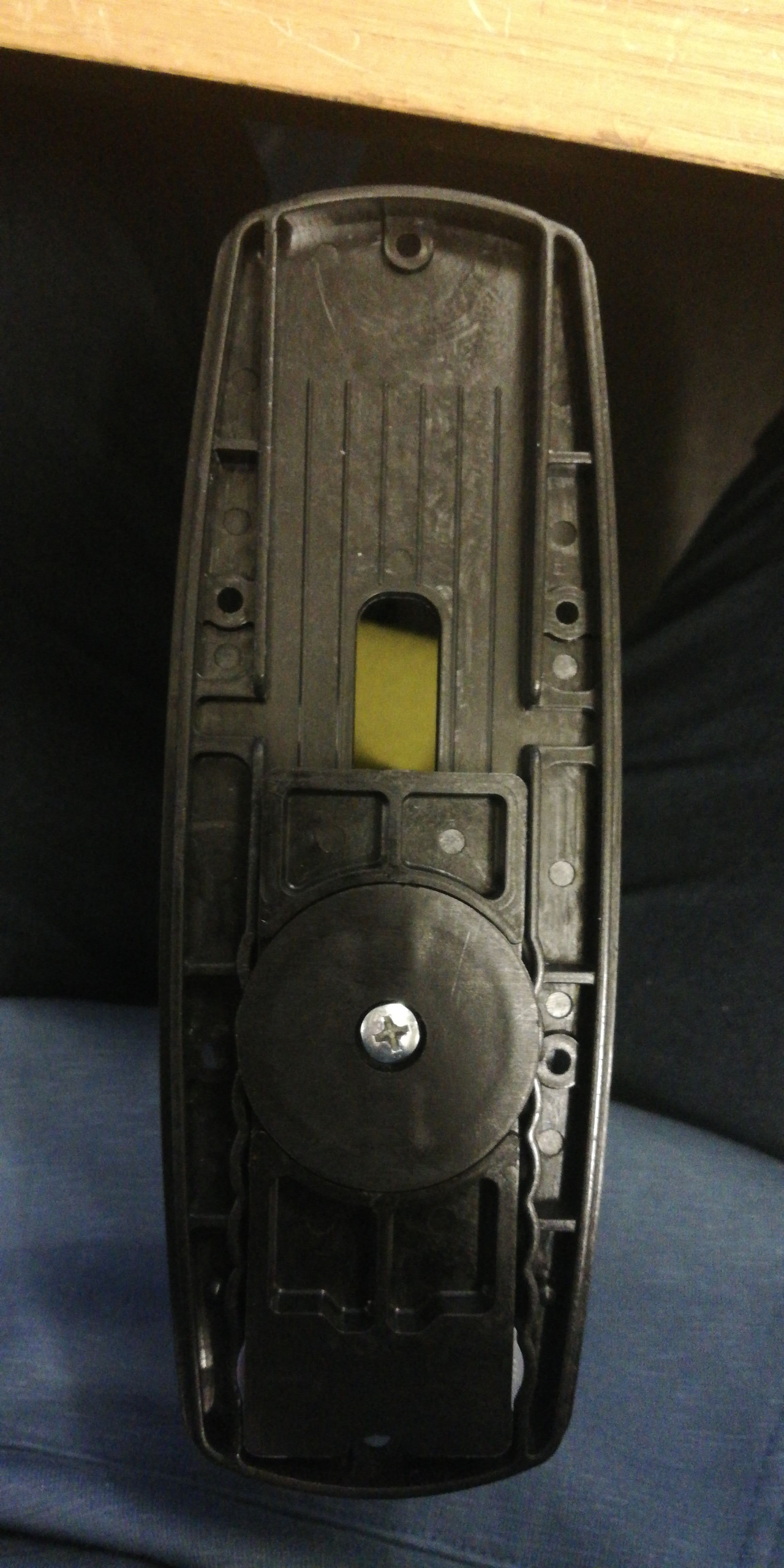
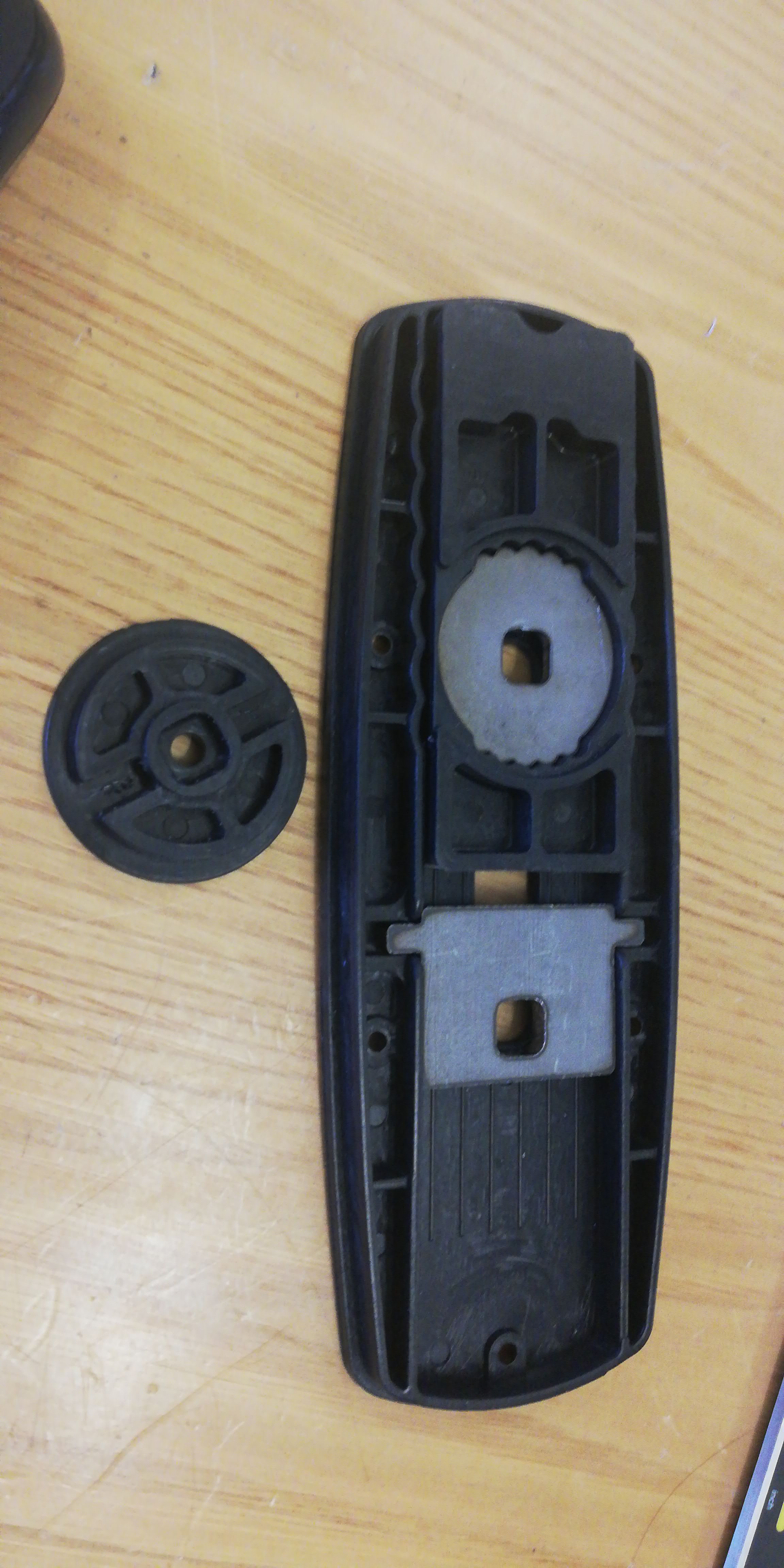
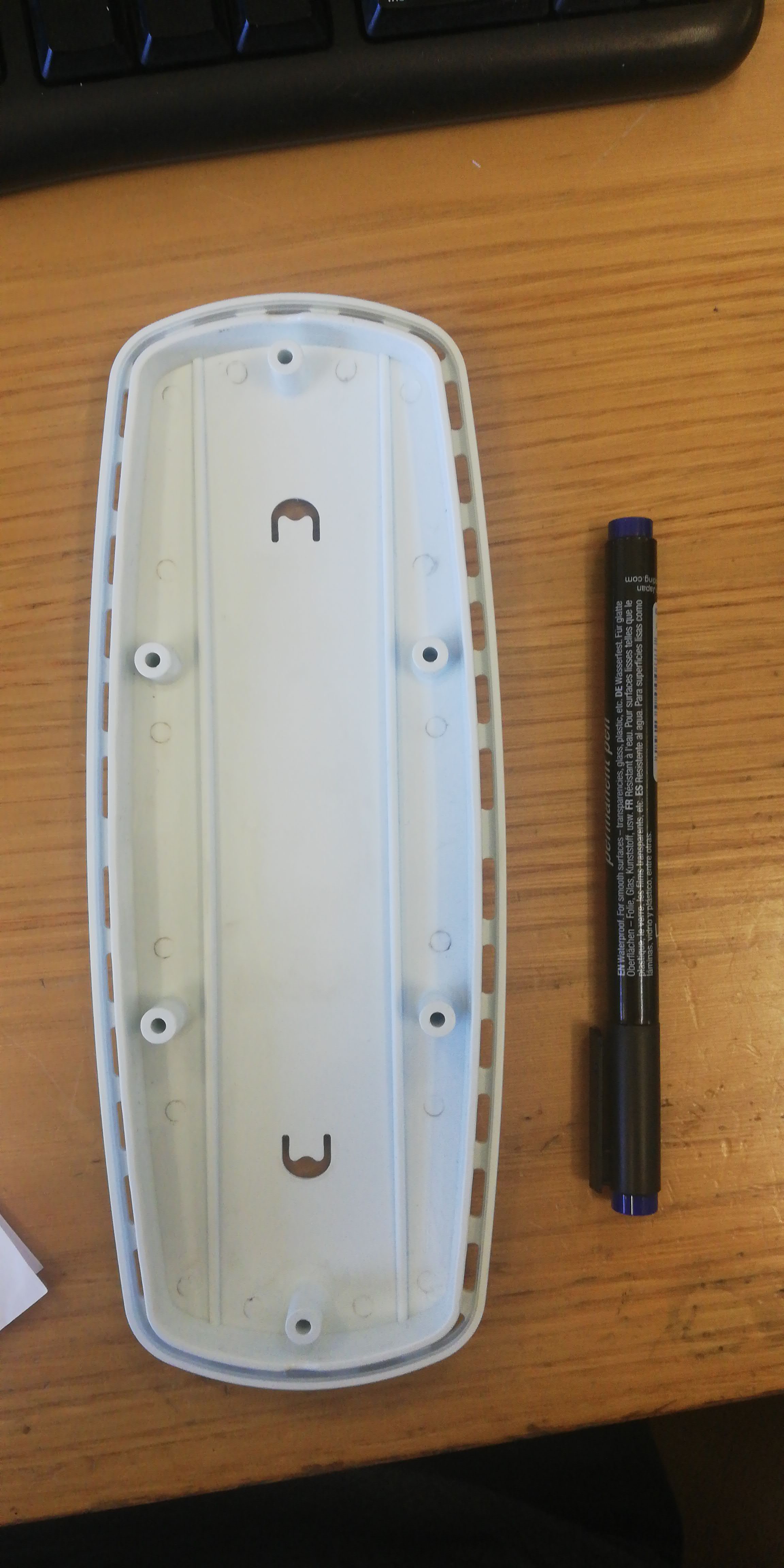
4. Engineering & Manufacturing Planning
4. Engineering & Manufacturing Planning
Once the design was finalized, the focus shifted to manufacturing feasibility:
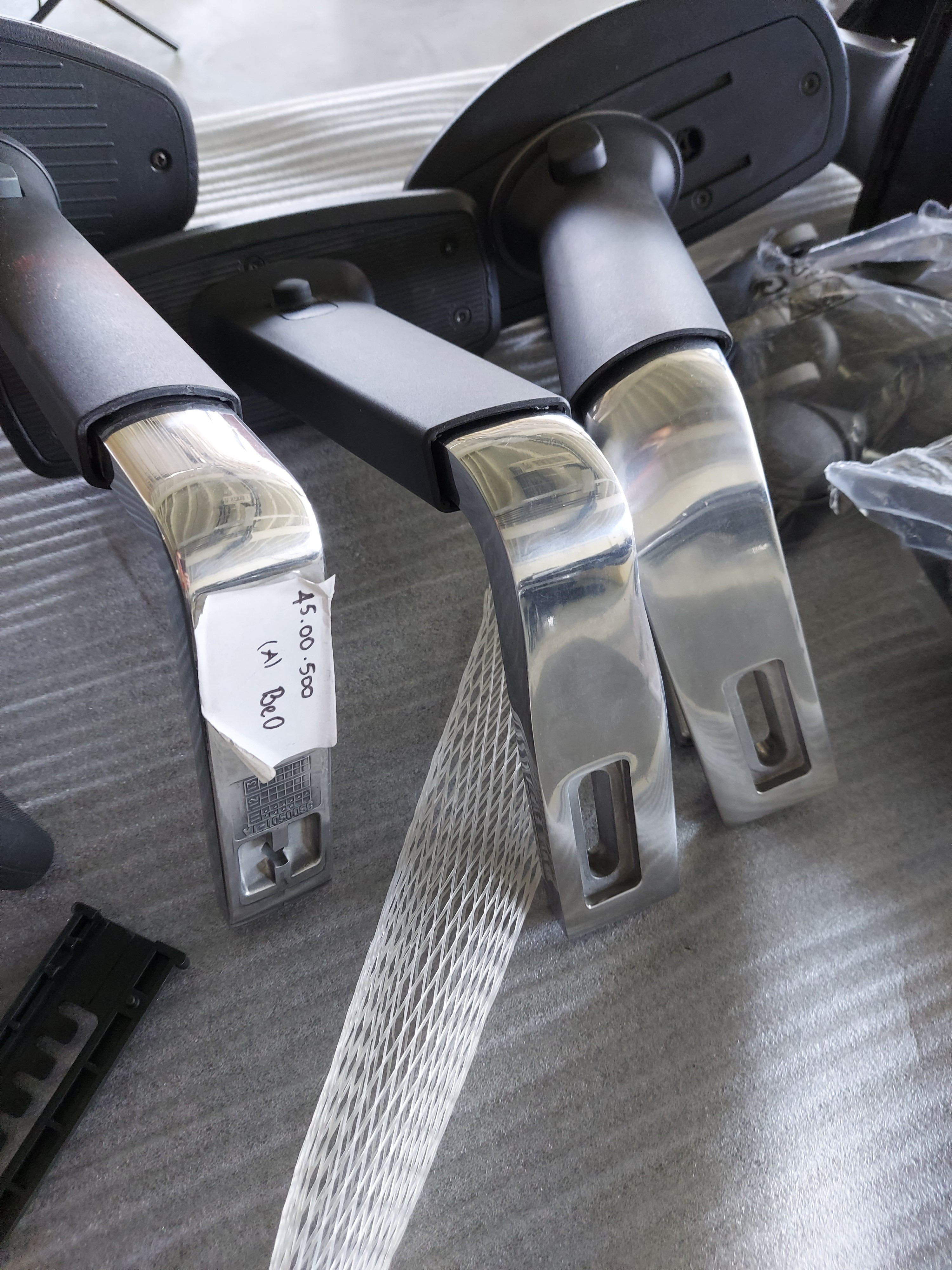
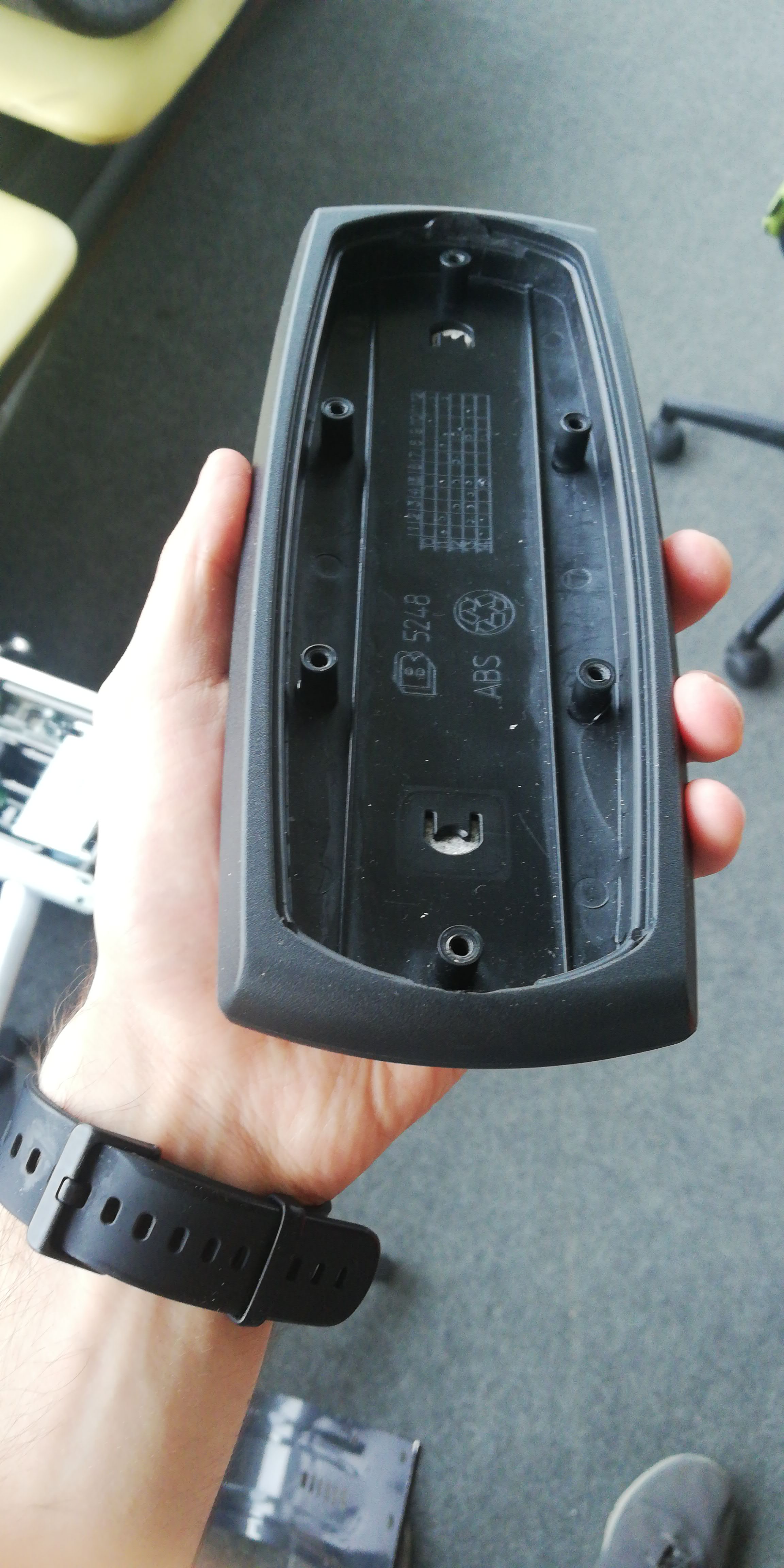
Material Selection: High-strength injection-molded ABS with a soft-touch TPE surface for comfort.
Component Breakdown:
Arm Pad: Soft PU surface with anti-slip properties.
Base & Mechanism Housing: Reinforced ABS for strength and longevity.
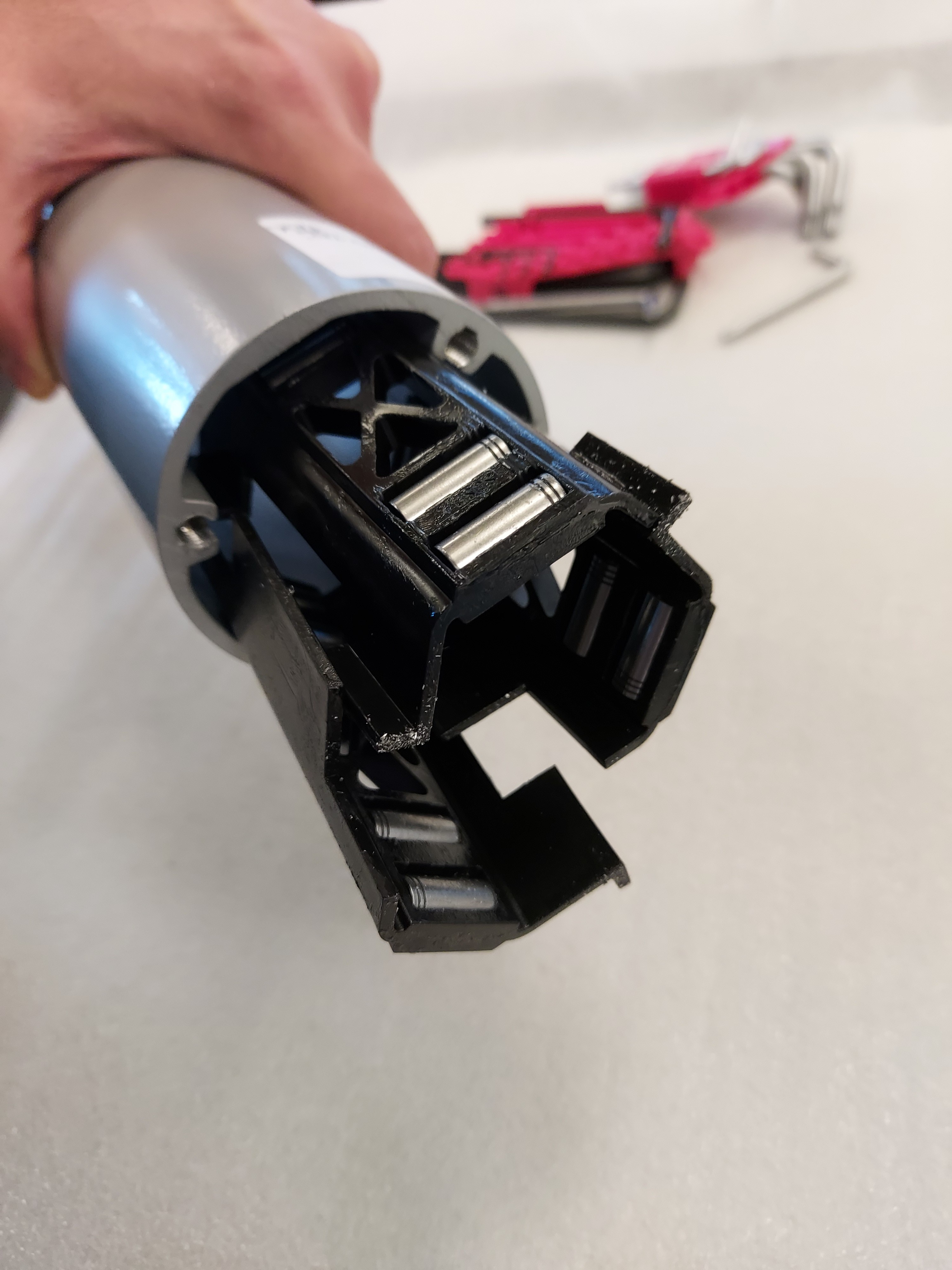
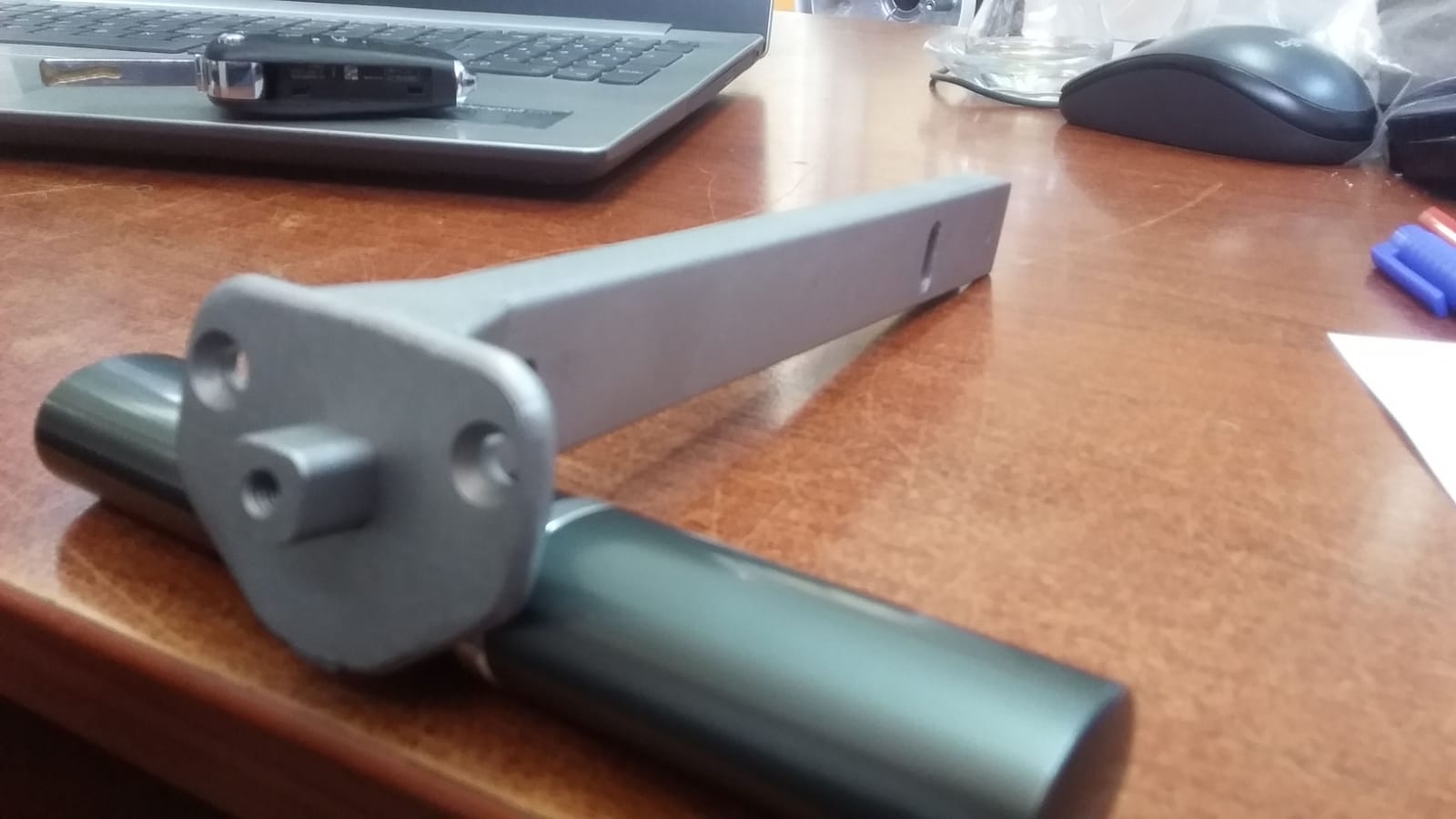
Adjustment Mechanism: Internal steel reinforcement for durability.
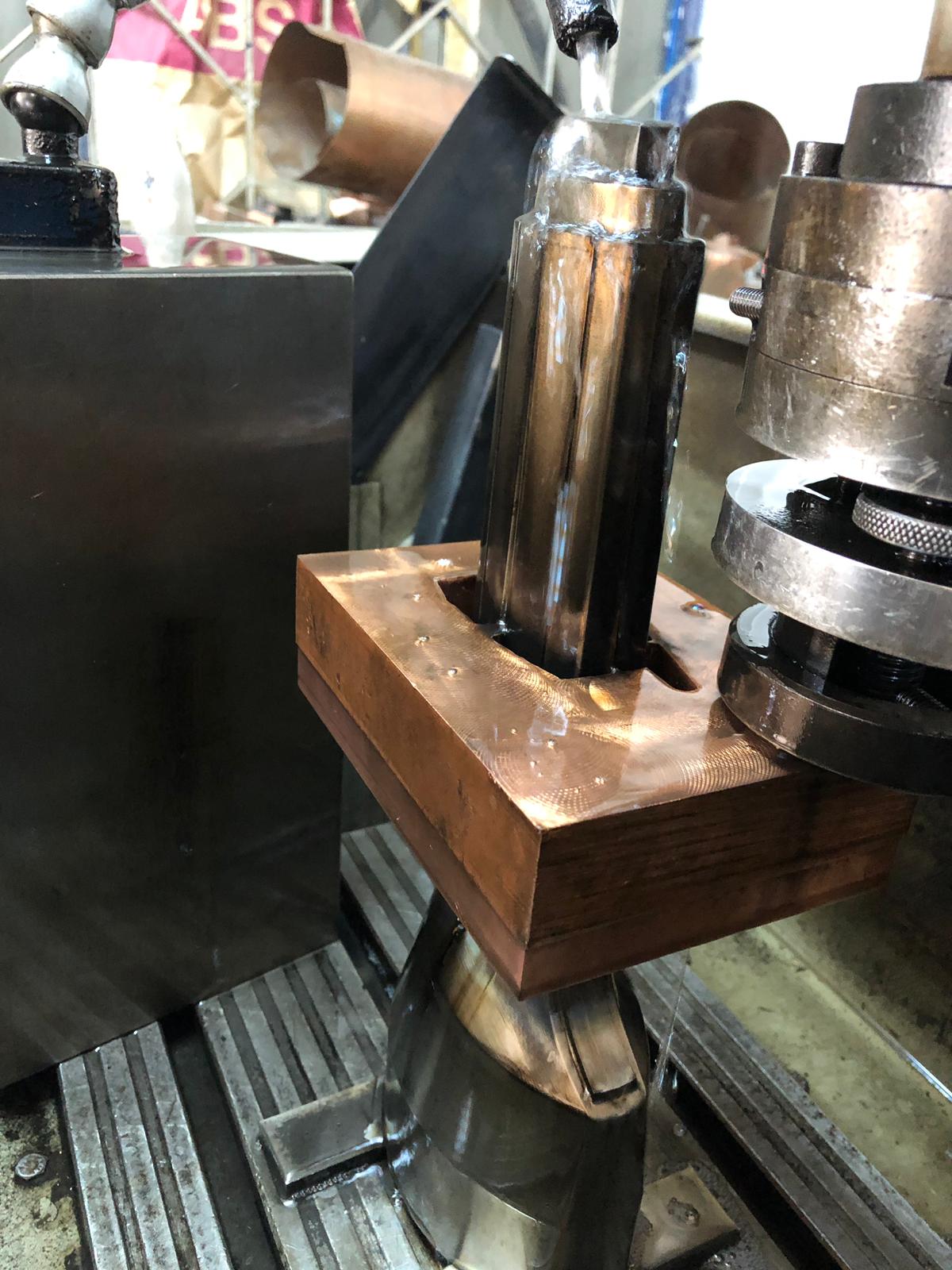
Injection Molding Planning:
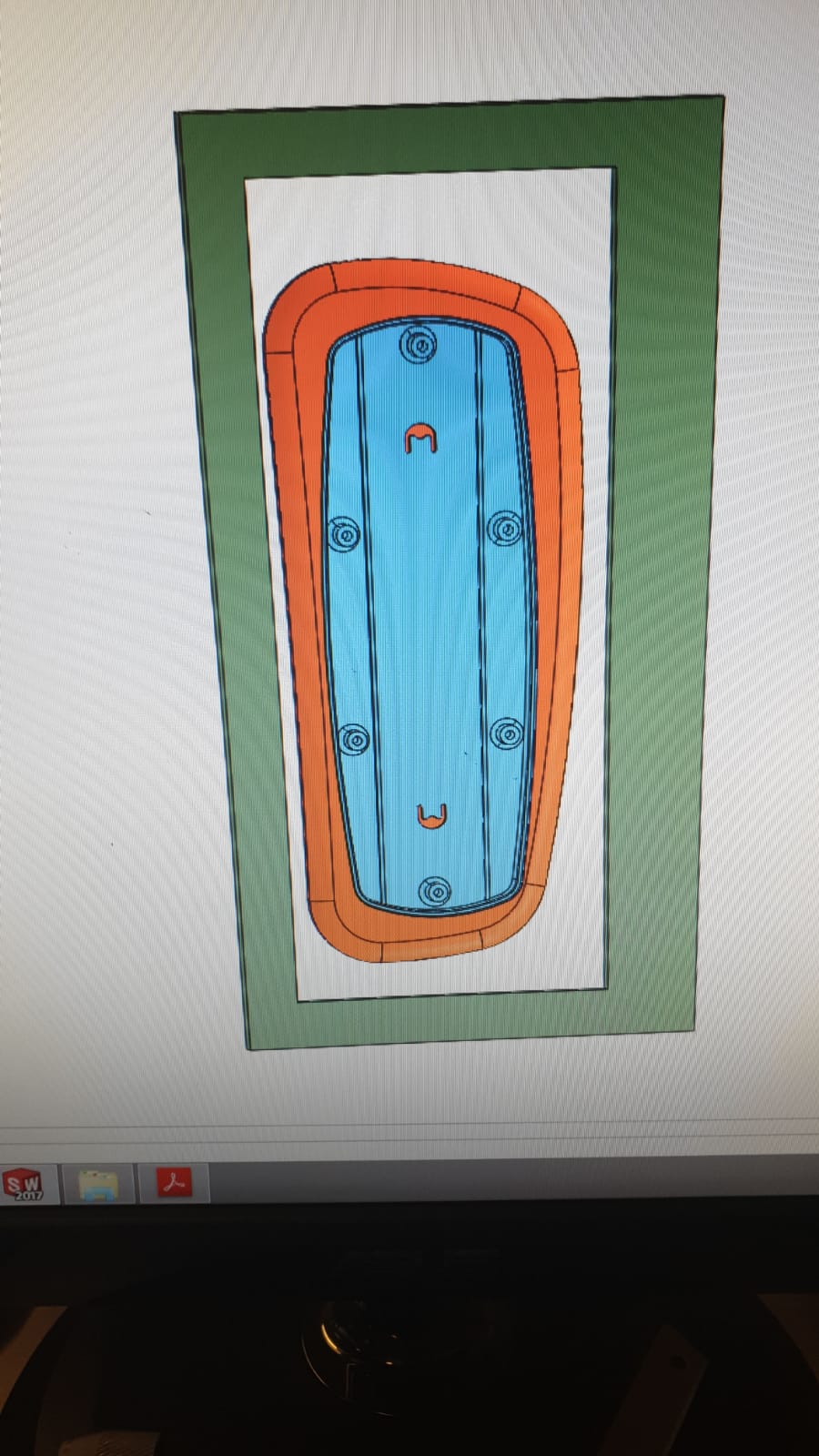
Multi-part plastic injection molds were designed, ensuring efficient production.
Snap-fit and screw-mounted components were optimized for easy assembly.
Once the design was finalized, the focus shifted to manufacturing feasibility:
Material Selection: High-strength injection-molded ABS with a soft-touch TPE surface for comfort.
Component Breakdown:
Arm Pad: Soft PU surface with anti-slip properties.
Base & Mechanism Housing: Reinforced ABS for strength and longevity.
Adjustment Mechanism: Internal steel reinforcement for durability.
Injection Molding Planning:
Multi-part plastic injection molds were designed, ensuring efficient production.
Snap-fit and screw-mounted components were optimized for easy assembly.
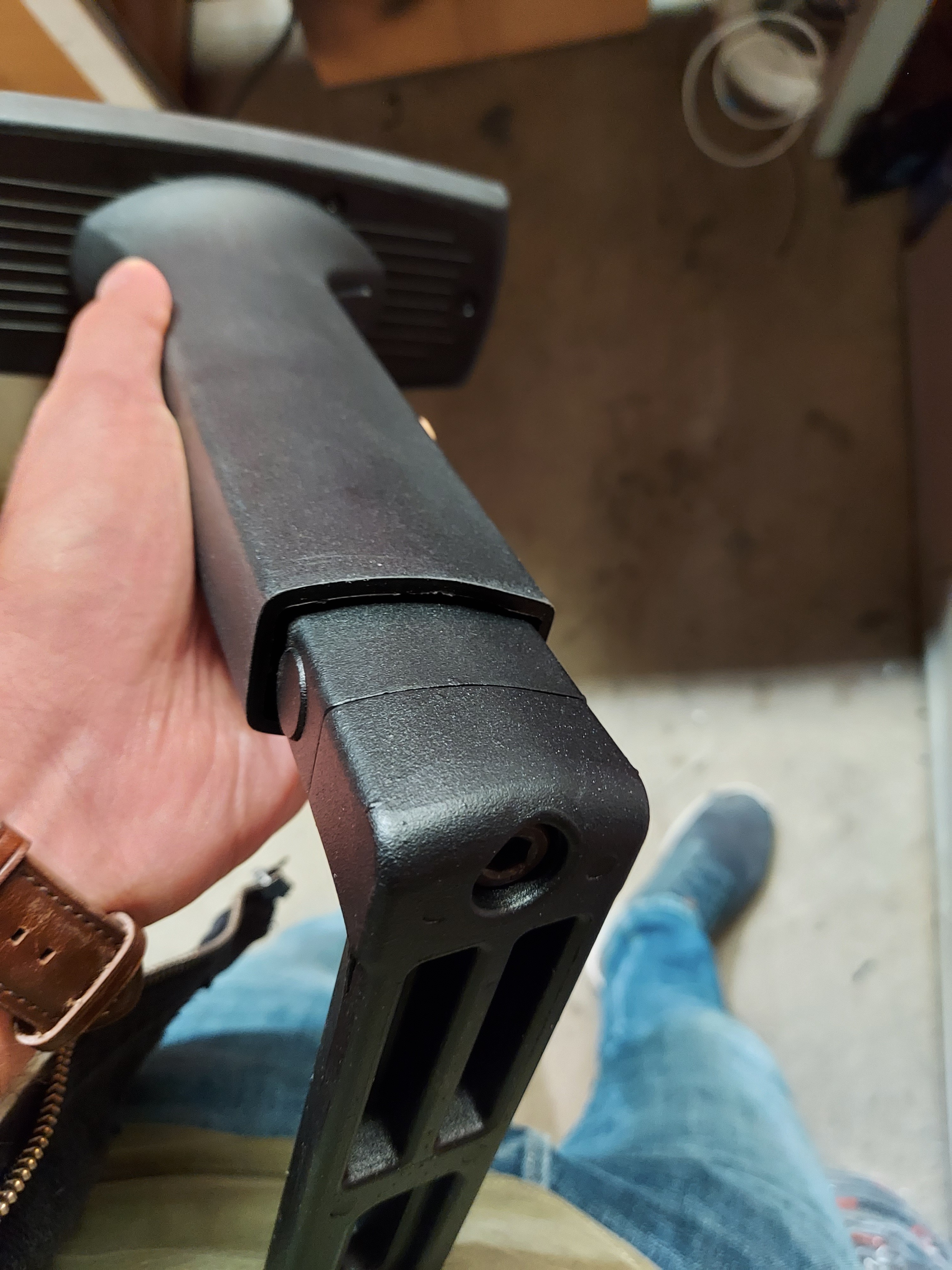


5. Final Production & Implementation
5. Final Production & Implementation
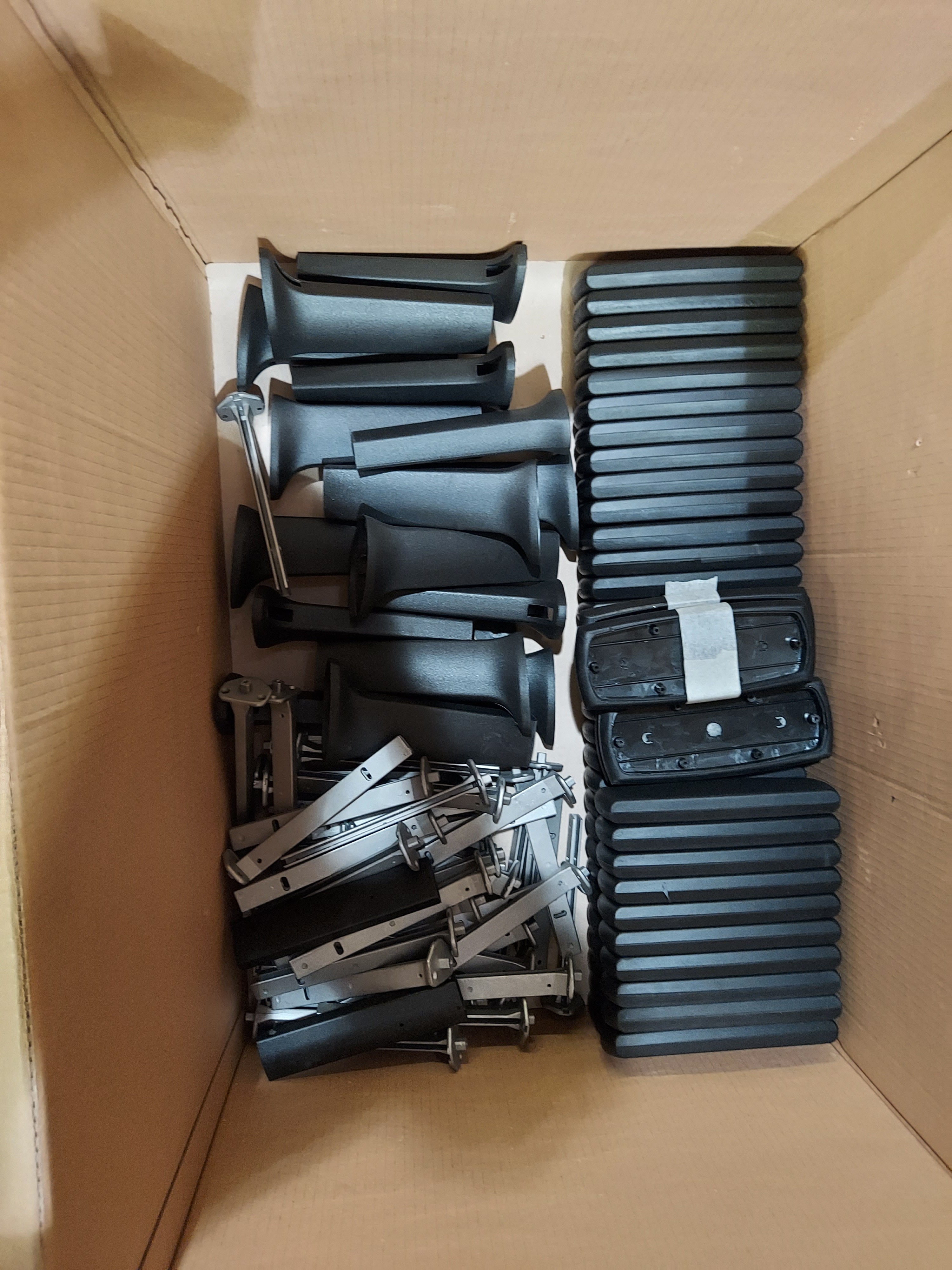
Once the molds were fabricated, the first production units underwent rigorous testing, including:
Load Testing: Ensuring armrests withstand prolonged usage.
Cycle Testing: Simulating years of height and angle adjustments.
Surface & Finish Evaluation: Checking for material consistency, texture, and color matching with chair designs.
The final armrest system was successfully integrated into Nurus task chairs, improving user comfort, adjustability, and ergonomic support while maintaining efficient mass production.
Once the molds were fabricated, the first production units underwent rigorous testing, including:
Load Testing: Ensuring armrests withstand prolonged usage.
Cycle Testing: Simulating years of height and angle adjustments.
Surface & Finish Evaluation: Checking for material consistency, texture, and color matching with chair designs.
The final armrest system was successfully integrated into Nurus task chairs, improving user comfort, adjustability, and ergonomic support while maintaining efficient mass production.
Conclusion
Conclusion
This ergonomic armrest system exemplifies a user-centered design approach, balancing functionality, aesthetics, and manufacturability. By leveraging 3D modeling, prototyping, and precision engineering, the design achieves:
✅ Enhanced comfort & adaptability
✅ Seamless chair integration
✅ Cost-effective production
This project highlights my expertise in industrial design, product engineering, and manufacturing processes, from initial concept development to final mass production.
This ergonomic armrest system exemplifies a user-centered design approach, balancing functionality, aesthetics, and manufacturability. By leveraging 3D modeling, prototyping, and precision engineering, the design achieves:
✅ Enhanced comfort & adaptability
✅ Seamless chair integration
✅ Cost-effective production
This project highlights my expertise in industrial design, product engineering, and manufacturing processes, from initial concept development to final mass production.
Interested in connecting?
Let’s talk projects, collaborations, or anything design!
Experience
7+ Years
Awards
6
Projects
100+
Coffee
1000+
Interested in connecting?
Let’s talk projects, collaborations, or anything design!
Experience
7+ Years
Awards
6
Projects
100+
Coffee
1000+
Interested in connecting?
Let’s talk projects, collaborations, or anything design!
Experience
7+ Years
Awards
6
Projects
100+
Coffee
1000+
Copyright 2025 by Seth Unlu
Copyright 2025 by Seth Unlu
Copyright 2025 by Seth Unlu